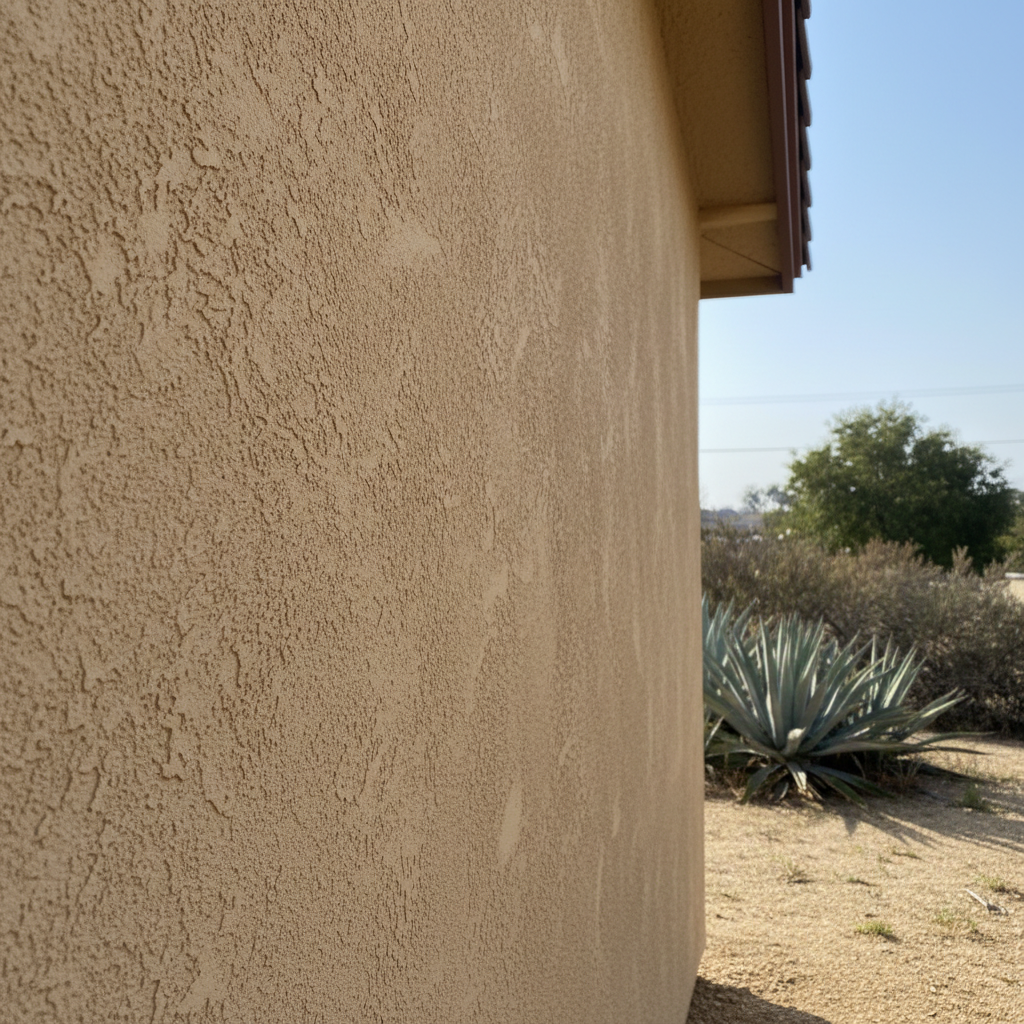
So, you’re staring at your house, maybe thinking about new stucco. It could be time for an upgrade, or perhaps you’ve got some damage that just needs fixing. This is a pretty common thought for homeowners right here in El Cajon, especially with our dry, hot summers and those occasional Santa Ana winds that can really beat up a home’s exterior. The big question I hear all the time is, “Can I just do this myself, or do I really need to hire someone?” Let’s talk it through.
Before You Even Think About Stucco
First things first, you’ve got to understand what you’re getting yourself into. Stucco isn’t just about slapping some mud on a wall, you know? It’s actually a multi-layer system, specifically designed to protect your home from the elements. Before you even buy a single bag of mix, you need to size up your situation.
- Permits are non-negotiable: If you’re planning a full re-stucco job or working on new construction, you’ll almost certainly need a permit from the City of El Cajon. Seriously, don’t try to skip this step. Trust me, it’ll save you so many headaches and potential fines later on. Local building codes dictate things like how high your weep screed needs to be and how much lath should overlap, and inspectors *will* check for those details.
- What’s hiding underneath? Is it wood sheathing? Old stucco? Masonry? What’s there will tell you exactly what kind of prep work you’re in for. If you’re going over old stucco, you’ve got to make sure it’s solid and not crumbling away. If it’s wood, you’ll definitely need a weather-resistive barrier (WRB) – usually that means two layers of Grade D building paper or something similar that’s synthetic.
- Tools and Materials: Do you own a mixer? A hawk and trowel? Scaffolding? What about a good straight edge? These things aren’t cheap, and if you’re only tackling one small job, renting might make a lot more sense than buying. And the materials themselves – lath, scratch coat, brown coat, finish coat – each one has a very specific purpose.
What You Can Probably DIY (and What You Can’t)
Look, I’m all for homeowners tackling projects themselves. It saves money, sure, and there’s a real sense of accomplishment that comes with it. But with stucco, there’s a pretty clear line between what’s a reasonable DIY task and what truly needs a professional touch.
DIY-Friendly Stucco Tasks:
- Small Patching Jobs: Got a tiny crack or maybe a golf-ball sized chip? If it’s just the finish coat, you can usually clean it out, apply a bonding agent, and then trowel in some pre-mixed patching stucco. Matching the texture and color can be tricky, but for really minor stuff, it’s definitely doable.
- Prep Work (to a point): You can often handle things like removing old, loose stucco, cleaning the surface, or even putting up the building paper. Just be super careful with overlapping, flashing, and sealing around windows and doors. This is where a lot of water intrusion issues start if it’s not done right, believe me.
- Painting Over Stucco: Once the stucco has cured and is completely solid, painting it is absolutely a DIY job. Just make sure you use a good quality elastomeric paint, one that’s actually designed for masonry.
When to Call El Cajon Stucco & Plastering (or another Pro):
- Full Re-stucco or New Installation: This is a massive undertaking. Getting the lath installed correctly, especially around windows, doors, and corners, is absolutely critical. The scratch and brown coats need to go on with consistent thickness and flatness to guarantee a durable, even finish. Then there’s the finish coat – achieving a uniform texture like a Santa Barbara smooth or a dash finish takes years of practice. If you’ve got a two-story house, just setting up the scaffolding is a major project all by itself.
- Water Intrusion Issues: If you’re seeing water stains inside your home, or mold, and you suspect it’s coming through the stucco, this is NOT a DIY fix. You need someone who understands building envelopes and can properly diagnose and repair the actual source of the leak. It often involves a lot more than just patching the surface.
- Large Repairs or Structural Damage: If big sections of stucco are falling off, or you spot cracks wider than a credit card, or if the underlying sheathing is rotted, you’re way past a simple patch. This requires opening up the wall, checking the structural integrity, and then rebuilding the stucco system from scratch in that specific area.
- Matching Existing Textures: You want your repair to blend in, right? Matching an existing texture and color is truly an art form. A pro has the experience and the right tools to get it as close as humanly possible.
- Anytime You Feel Unsure: Seriously, if you’re halfway through a project and feel completely overwhelmed, or you’re worried about making a mistake that could lead to bigger problems, just stop and call a professional. It’s always cheaper to hire someone to finish or fix a job than to let a botched DIY lead to water damage and structural issues down the line.
During the Project: What to Expect
If you do decide to hire us, or another pro, here’s a quick rundown of what you should see happening:
- Preparation: Lots of masking, covering plants, and protecting windows. Good contractors are usually pretty tidy.
- Lath Installation: Metal lath (wire mesh) or fiberglass mesh, properly fastened and overlapped, with weep screeds at the bottom and casing beads around openings. Think of this as the skeleton of your stucco system.
- Scratch Coat: This is the first layer of cement-based plaster, scratched horizontally to give the next layer something to grab onto. It’s usually about 3/8 to 1/2 inch thick.
- Brown Coat: Applied over the scratch coat, this layer brings the wall out to its final plane and smoothness. It’s also about 3/8 to 1/2 inch thick and gets floated smooth. Both the scratch and brown coats need time to cure, sometimes days, depending on our El Cajon weather.
- Finish Coat: This is the pretty part. It’s thinner, usually about 1/8 inch, and comes in all sorts of colors and textures. This is where the skill really shines through, achieving a consistent look across the whole surface.
After Installation: Keeping it Looking Good
Once your new stucco is done, give it plenty of time to fully cure. This can actually take weeks, so avoid power washing it for a while. After that, general maintenance is pretty straightforward:
- Clean it: A gentle rinse with a garden hose can get rid of dust and dirt. For tougher stains, a mild detergent and a soft brush usually work wonders.
- Inspect: Walk around your house every so often. Look for cracks, chips, or spots where water might be pooling. Catching small issues early really helps prevent bigger ones.
- Seal Cracks: If you spot hairline cracks, you can typically seal them up with an elastomeric caulk specifically made for stucco.
Stucco is a fantastic, durable exterior for homes in our climate, no doubt about it. It can last for decades if it’s installed and maintained properly. Just be honest with yourself about your skills and comfort level. For anything beyond the smallest fixes, calling in a local expert like El Cajon Stucco & Plastering will save you time, money, and a whole lot of frustration in the long run.